
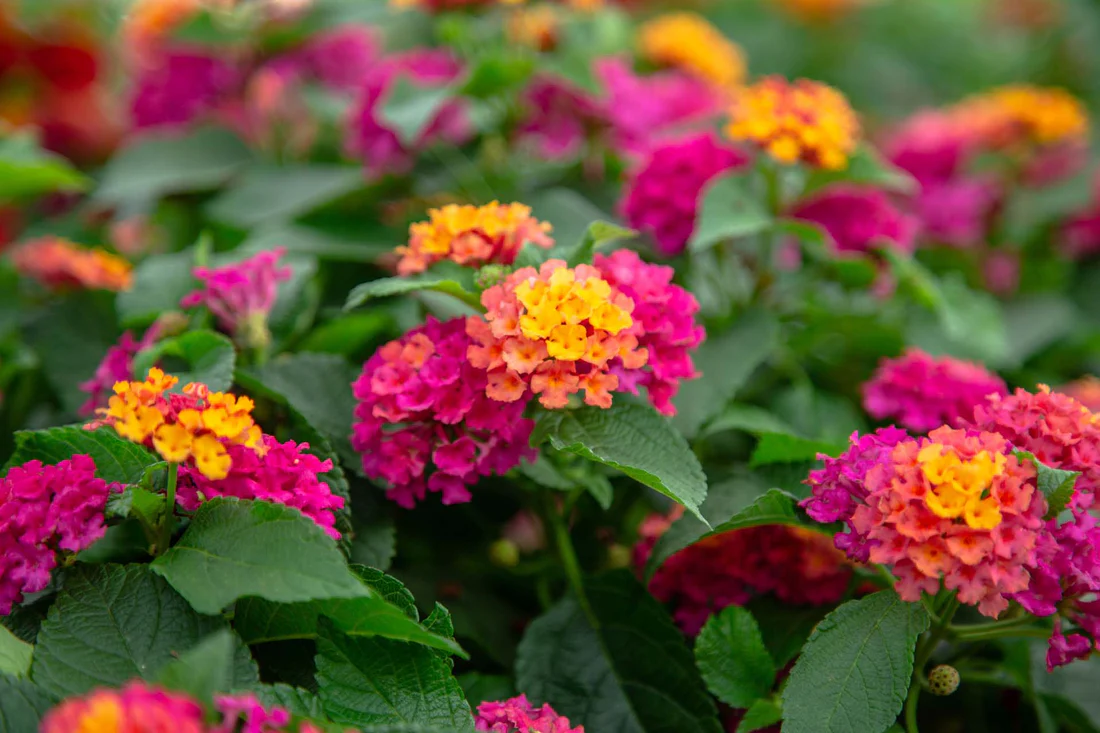
Lantana Flower: A Vibrant Addition to Any Garden

ircicaarchdata.org – Lantana flowers are known for their vibrant and colorful clusters, making them a popular choice in gardens and landscaping. Native to the American tropics, lantanas come in a wide range of colors, from bright yellows and oranges to pinks, reds, and purples. These hardy plants offer not only beauty but also versatility, thriving in various climates and conditions.

A Closer Look at Lantana Flower’s Characteristics

Lantanas belong to the Verbenaceae family and are characterized by their small, tubular flowers that grow in dense clusters. These flowers are typically bunched together in a way that gives them the appearance of a single large bloom, making them a striking feature in any garden. The plant’s foliage is often rough and fragrant, adding texture to the overall appearance.

The flowers of lantanas are also known to change color as they mature. This transformation can start with pale hues and gradually darken over time, making the plant even more visually interesting.

Varieties of Lantana Flowers

Lantanas come in numerous varieties, each offering a distinct color palette and growth habit. Some of the most common types include:

  1. Lantana camara: This is the most widely grown species, with its small, fragrant flowers appearing in a variety of shades such as red, yellow, purple, and white.
  2. Lantana montevidensis: Known for its trailing growth habit, this variety is often used in hanging baskets and as ground cover. It typically features lavender and purple blooms.
  3. Lantana ‘New Gold’: This hybrid variety produces bright yellow flowers that remain vibrant throughout the growing season.

Growing Lantana Flowers

Lantanas are easy to grow and can adapt to a variety of growing conditions. Here are some key factors to consider when planting lantanas:

  • Sunlight: Lantanas thrive in full sunlight, where they can receive at least 6 hours of direct sunlight each day.
  • Soil: These plants prefer well-drained soil but are tolerant of poor soils, making them an excellent choice for gardeners in a variety of climates.
  • Watering: Lantanas are drought-tolerant once established. However, they will benefit from occasional watering during prolonged dry periods.
  • Fertilization: While lantanas don’t require heavy fertilization, a balanced fertilizer can promote healthier growth and more abundant blooms.

Attracting Wildlife with Lantana Flowers

Lantanas are known for attracting a wide variety of pollinators, including butterflies, bees, and hummingbirds. Their bright colors and nectar-rich flowers serve as an important food source for these beneficial insects, making them an ideal addition to any pollinator garden.

Lantana as a Low-Maintenance Plant

One of the biggest draws of lantana flowers is their low-maintenance nature. They are resistant to many pests and diseases and can handle drought and heat, making them an excellent choice for gardeners looking for a plant that requires minimal care. Additionally, lantanas are known to bloom continuously throughout the growing season, providing ongoing color and interest.

Conclusion

With their bright, colorful blooms and resilience in a variety of growing conditions, lantana flowers are a fantastic choice for gardeners of all experience levels. Whether you’re looking to add vibrant hues to a flower bed, attract pollinators to your garden, or enjoy a low-maintenance plant, lantanas offer all that and more. Their beauty and versatility make them an essential addition to any garden landscape.

Blooming in Heaven: The Eternal Garden

ircicaarchdata.org – In the realm of the divine, where the celestial and the earthly intertwine, lies an extraordinary paradise known as the Eternal Garden. This garden, a place of unparalleled beauty and serenity, is said to bloom in the heart of Heaven, offering solace and joy to the souls that reside within its bounds. The Eternal Garden is not just a place of natural splendor but a symbol of eternal life and the enduring nature of love and beauty.

The Mythical Origins of the Eternal Garden

The origins of the Eternal Garden are shrouded in mystery and myth. According to ancient lore, the garden was created at the dawn of time by the gods themselves, a gift to the universe to symbolize the cycle of life, death, and rebirth. It is said that the garden’s creation was a moment of such profound beauty that the stars themselves paused in their eternal dance to witness the event.

The Garden’s Timeless Beauty

The beauty of the Eternal Garden is beyond compare. It is a place where every flower, every tree, and every blade of grass exists in a state of perpetual bloom. The air is filled with the sweet fragrance of countless flowers, and the sound of gentle streams and waterfalls creates a symphony of tranquility. The garden is home to creatures of myth and legend, beings of pure light and joy that flit among the flowers and dance in the sunlight.

A Sanctuary for the Souls

For the souls that find themselves in the Eternal Garden, it is a sanctuary, a place of healing and peace. Here, the burdens of the earthly life are lifted, and the soul is free to explore the wonders of the garden, to bask in its beauty, and to find solace in its tranquility. The garden offers a respite from the trials of life, a chance to reflect and to grow in the light of the divine.

The Symbolism of the Eternal Garden

The Eternal Garden is more than just a place of natural beauty; it is a symbol of the eternal nature of the soul and the enduring power of love. It represents the idea that even in the face of death, beauty and life continue to flourish. The garden is a reminder that though our time on Earth is finite, the soul’s journey is infinite, and the love we share with others transcends the boundaries of time and space.

Conclusion

The Eternal Garden, blooming in the heart of Heaven, is a testament to the enduring beauty of the soul and the eternal nature of love. It is a place of unparalleled beauty, a sanctuary for the souls, and a symbol of the divine’s gift of life. As we journey through our earthly lives, the garden stands as a beacon of hope, a reminder of the beauty that awaits us beyond the veil of mortality.

Sintra’s Enchanting Palaces and Gardens: Time and Beauty

ircicaarchdata.org – Nestled in the heart of Portugal, Sintra is a magical place that seems to have leaped out of a fairy tale. This UNESCO World Heritage site is renowned for its enchanting palaces and gardens, each telling a unique story and showcasing the rich history and cultural diversity of the region. From the whimsical Pena Palace to the Moorish Castle of the Moors, Sintra offers a feast for the senses, inviting visitors to explore its historical treasures and natural beauty.

The Whimsical Pena Palace

Perched atop the Sintra Mountains, the Pena Palace is an architectural marvel that stands out for its vibrant colors and eclectic style. Built in the mid-19th century, this Romanticist palace is a blend of various architectural styles, including Neo-Gothic, Neo-Manueline, and Neo-Renaissance. The palace’s terraces offer breathtaking views of the surrounding countryside, while its interior is adorned with lavish furnishings and intricate tilework. The palace’s gardens, a mix of English and Romantic landscaping, are home to exotic plants and trees, creating a serene and enchanting atmosphere.

The Mystical Moorish Castle

The Castle of the Moors, or Castelo dos Mouros, is an ancient fortress that dates back to the 8th and 9th centuries. Its strategic location on the mountaintop provides not only a formidable defense but also stunning panoramic views of Sintra and the Atlantic Ocean. The castle’s walls and towers, surrounded by lush greenery, evoke a sense of mystery and history. Walking along the castle’s ramparts, visitors can imagine the lives of the Moorish inhabitants and the battles fought on this very ground.

The Regal Quinta da Regaleira

Quinta da Regaleira is a luxurious estate that epitomizes the Romanticism of the early 20th century. The property includes a palace, chapel, and extensive gardens filled with mystical symbols, hidden tunnels, and enchanting grottoes. The Initiation Well, a deep spiral staircase, is one of the most iconic features of the estate, symbolizing the journey of enlightenment. The gardens are a labyrinth of pathways, leading to secret corners and unexpected surprises, making Quinta da Regaleira a must-visit for those seeking a touch of mystery and magic.

The Serene Monserrate Palace and Gardens

Monserrate Palace is a testament to the 19th-century fascination with the Orient. This exotic palace, surrounded by lush gardens filled with tropical plants, was designed in a blend of Indian and Moorish styles. The gardens, inspired by the romantic landscapes of England, feature a lake, waterfalls, and a variety of exotic species, creating a tranquil and otherworldly atmosphere. The palace’s interior, though less extravagant than others in Sintra, offers a glimpse into the eclectic tastes of its former inhabitants.

Conclusion: A Timeless Charm

Sintra’s palaces and gardens are not just historical landmarks; they are living, breathing entities that continue to captivate and inspire. Each palace tells a story, each garden offers a different perspective on beauty, and together, they create a tapestry of history, culture, and natural splendor. Whether you’re wandering through the mystical Castle of the Moors, exploring the whimsical Pena Palace, or getting lost in the labyrinthine gardens of Quinta da Regaleira, Sintra promises an unforgettable journey through time and beauty.