
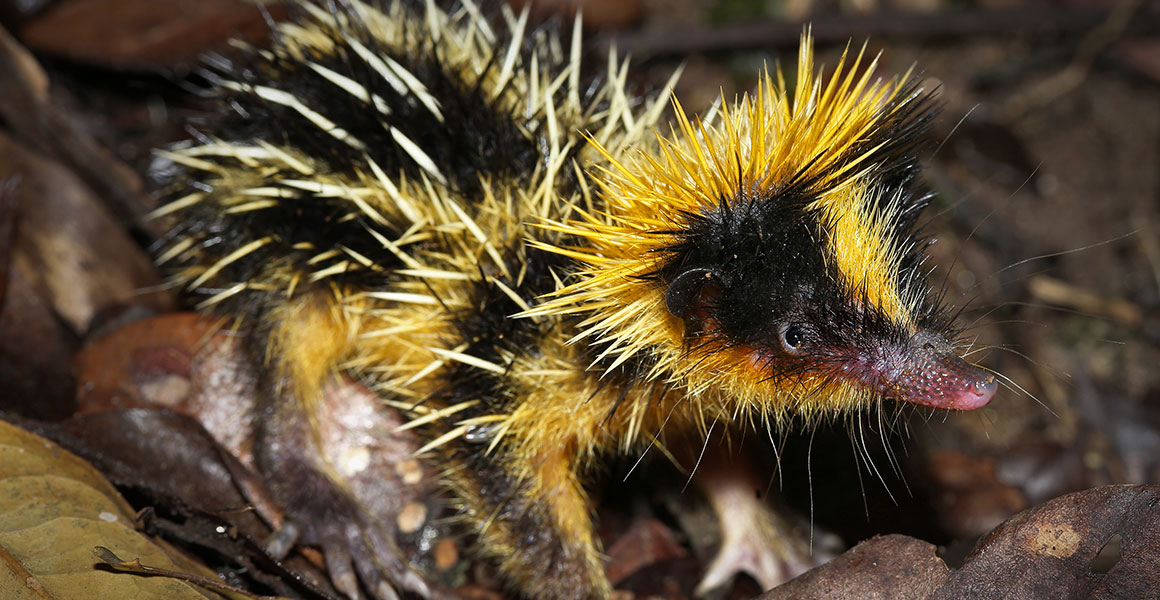
ircicaarchdata.org – Tenrecs are an extraordinary group of mammals found predominantly in Madagascar and parts of mainland Africa. While they resemble hedgehogs or shrews in appearance, they belong to their own unique family, Tenrecidae. These small, nocturnal creatures have adapted to a wide variety of ecological niches and display a range of fascinating traits that make them one of the most remarkable groups of mammals on the planet.
Habitat and Distribution
Tenrecs are primarily native to Madagascar, an island that is famous for its high rate of endemic species. About 30 species of tenrecs are found here, occupying a variety of habitats from rainforests to dry, scrubby areas. A few species also inhabit parts of mainland Africa. Despite their small size and limited range, they have managed to adapt to a variety of environments, which speaks to their remarkable evolutionary history.
Physical Characteristics
Tenrecs are small, generally ranging in size from 8 to 50 centimeters (3 to 20 inches). Their bodies are covered with fur, which can be spiny in some species (such as the Greater Tenrec), while others, like the Lowland Streaked Tenrec, have a mixture of spines and soft fur. They have long, pointed snouts and sharp claws, which they use for digging, foraging, and building burrows.
Their appearance varies significantly across species; some have very spiny backs, while others resemble shrews or hedgehogs with softer fur. Interestingly, despite their resemblance to European hedgehogs, tenrecs are more closely related to other insectivores, like moles and shrews.
Behavior and Diet
Tenrecs are mostly nocturnal, foraging during the night for food. They are omnivorous creatures, with diets that vary depending on their species and habitat. Some tenrecs feed primarily on insects, small invertebrates, and earthworms, while others will eat fruits, small vertebrates, or even amphibians.
In the wild, they are generally solitary creatures, living in burrows or dense vegetation. Some species are arboreal, while others are terrestrial. One particularly interesting aspect of tenrec behavior is their use of “sonic communication,” where they produce high-pitched sounds to communicate with others, especially during mating season.
Reproduction and Lifespan
Reproductive behavior in tenrecs is as varied as their appearance. Many species of tenrecs have large litters, with some species giving birth to as many as 30 young in one litter. This is unusual for small mammals, where the typical litter size is much smaller. Tenrecs have a relatively short gestation period, and their young are born in an undeveloped state, similar to those of marsupials.
Their lifespan in the wild is typically short, averaging around 3 to 5 years, although some species have been known to live longer in captivity.
Unique Adaptations
One of the most remarkable features of tenrecs is their ability to adapt to various environmental conditions. For example, the Lowland Streaked Tenrec is unique for its ability to produce heat through specialized cells in its body. This adaptation, known as non-shivering thermogenesis, allows this species to stay active in cooler temperatures. Other species, such as the Greater Tenrec, are known to hibernate during Madagascar’s cooler months, a rare trait for an African mammal.
Conservation Status
While many species of tenrecs are not currently endangered, some are at risk due to habitat loss and deforestation in Madagascar. The unique biodiversity of Madagascar is under constant threat from human activity, and species that rely on specific habitats are increasingly vulnerable. Conservation efforts are underway to protect Madagascar’s forests and the many species, including tenrecs, that call them home.
Conclusion
Tenrecs are a testament to nature’s ingenuity, showing how mammals can adapt to a range of environments and develop unique survival strategies. These small, spiny creatures, often overlooked, hold secrets of evolutionary significance and continue to fascinate scientists. Their varied behaviors, adaptations, and roles in the ecosystem highlight the richness of life on Earth, reminding us how important it is to protect the habitats that sustain such wonders.
