The Fascinating World of Tenrecs: Nature’s Little Wonders

ircicaarchdata.org – Tenrecs are an extraordinary group of mammals found predominantly in Madagascar and parts of mainland Africa. While they resemble hedgehogs or shrews in appearance, they belong to their own unique family, Tenrecidae. These small, nocturnal creatures have adapted to a wide variety of ecological niches and display a range of fascinating traits that make them one of the most remarkable groups of mammals on the planet.

Habitat and Distribution

Tenrecs are primarily native to Madagascar, an island that is famous for its high rate of endemic species. About 30 species of tenrecs are found here, occupying a variety of habitats from rainforests to dry, scrubby areas. A few species also inhabit parts of mainland Africa. Despite their small size and limited range, they have managed to adapt to a variety of environments, which speaks to their remarkable evolutionary history.

Physical Characteristics

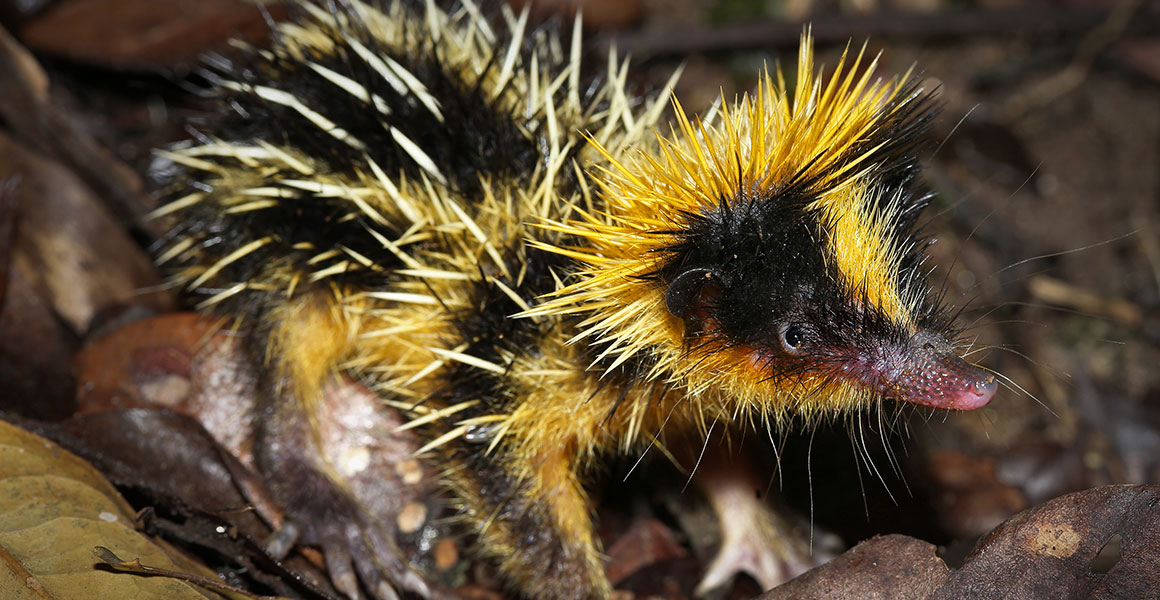
Tenrecs are small, generally ranging in size from 8 to 50 centimeters (3 to 20 inches). Their bodies are covered with fur, which can be spiny in some species (such as the Greater Tenrec), while others, like the Lowland Streaked Tenrec, have a mixture of spines and soft fur. They have long, pointed snouts and sharp claws, which they use for digging, foraging, and building burrows.

Their appearance varies significantly across species; some have very spiny backs, while others resemble shrews or hedgehogs with softer fur. Interestingly, despite their resemblance to European hedgehogs, tenrecs are more closely related to other insectivores, like moles and shrews.

Behavior and Diet

Tenrecs are mostly nocturnal, foraging during the night for food. They are omnivorous creatures, with diets that vary depending on their species and habitat. Some tenrecs feed primarily on insects, small invertebrates, and earthworms, while others will eat fruits, small vertebrates, or even amphibians.

In the wild, they are generally solitary creatures, living in burrows or dense vegetation. Some species are arboreal, while others are terrestrial. One particularly interesting aspect of tenrec behavior is their use of “sonic communication,” where they produce high-pitched sounds to communicate with others, especially during mating season.

Reproduction and Lifespan

Reproductive behavior in tenrecs is as varied as their appearance. Many species of tenrecs have large litters, with some species giving birth to as many as 30 young in one litter. This is unusual for small mammals, where the typical litter size is much smaller. Tenrecs have a relatively short gestation period, and their young are born in an undeveloped state, similar to those of marsupials.

Their lifespan in the wild is typically short, averaging around 3 to 5 years, although some species have been known to live longer in captivity.

Unique Adaptations

One of the most remarkable features of tenrecs is their ability to adapt to various environmental conditions. For example, the Lowland Streaked Tenrec is unique for its ability to produce heat through specialized cells in its body. This adaptation, known as non-shivering thermogenesis, allows this species to stay active in cooler temperatures. Other species, such as the Greater Tenrec, are known to hibernate during Madagascar’s cooler months, a rare trait for an African mammal.

Conservation Status

While many species of tenrecs are not currently endangered, some are at risk due to habitat loss and deforestation in Madagascar. The unique biodiversity of Madagascar is under constant threat from human activity, and species that rely on specific habitats are increasingly vulnerable. Conservation efforts are underway to protect Madagascar’s forests and the many species, including tenrecs, that call them home.

Conclusion

Tenrecs are a testament to nature’s ingenuity, showing how mammals can adapt to a range of environments and develop unique survival strategies. These small, spiny creatures, often overlooked, hold secrets of evolutionary significance and continue to fascinate scientists. Their varied behaviors, adaptations, and roles in the ecosystem highlight the richness of life on Earth, reminding us how important it is to protect the habitats that sustain such wonders.

Women’s Soccer Around the World: The Beautiful Game

ircicaarchdata.org – Women’s soccer, often celebrated as the beautiful game, has grown exponentially in popularity and skill over the past few decades. From grassroots levels to professional leagues and international competitions, women’s soccer has carved out a significant space in the global sporting landscape. This article explores the rise of women’s soccer around the world, highlighting its key moments, influential figures, and the challenges it continues to face.

The Rise of Women’s Soccer

The history of women’s soccer dates back to the late 19th and early 20th centuries, with the first recorded match taking place in 1895 in the United Kingdom. Despite early enthusiasm, women’s soccer faced significant opposition and was banned in some countries. However, the game persisted, and by the 1970s, it began to gain momentum.

The establishment of the Women’s World Cup in 1991 by FIFA marked a turning point. Since then, the tournament has become a quadrennial celebration of women’s soccer, showcasing the sport’s global appeal and competitive excellence. The success of the Women’s World Cup has been instrumental in popularizing women’s soccer, inspiring young girls around the world to take up the game.

Professional Leagues and Clubs

Professional women’s soccer leagues have sprung up across the globe, providing players with the opportunity to compete at the highest level year-round. The United States’ National Women’s Soccer League (NWSL), Australia’s W-League, and Europe’s UEFA Women’s Champions League are among the most prominent, attracting top talent and significant media attention.

These leagues have not only elevated the standard of play but have also become platforms for social and political activism, with players using their platforms to advocate for gender equality, LGBTQ+ rights, and racial justice.

Iconic Figures and Moments

Women’s soccer has been graced by iconic figures who have left an indelible mark on the sport. Players like Mia Hamm, Marta, and Megan Rapinoe have not only achieved individual accolades but have also been pivotal in raising the profile of women’s soccer. Their performances on the field, combined with their off-field activism, have inspired generations of young athletes.

Moments such as the United States women’s national team’s victory in the 1999 Women’s World Cup final, which culminated in Brandi Chastain’s iconic penalty shootout goal and celebration, have become defining images of women’s soccer. These moments have helped to cement the sport’s place in the cultural zeitgeist.

Challenges and Future Prospects

Despite its progress, women’s soccer still faces challenges, including disparities in pay, media coverage, and investment compared to men’s soccer. These issues have been the subject of ongoing debates and legal battles, with players and organizations advocating for greater equality and recognition.

The future of women’s soccer looks promising, with increasing investment in youth development, infrastructure, and professional leagues. The success of initiatives like the UEFA Women’s Euro and the expansion of the Women’s World Cup indicates a growing commitment to the sport’s development.

As women’s soccer continues to evolve, it remains a powerful symbol of resilience, talent, and the fight for equality. The beautiful game, in its truest sense, is not just about the spectacle on the field but also about the impact it has off it, inspiring change and empowering women and girls around the world.

Deep Dive into the World of Comedy: Hilarity Ensues

ircicaarchdata.org – In the vast and ever-evolving landscape of human emotions, laughter stands out as a universal language that transcends cultural and linguistic barriers. Comedy, the art form dedicated to eliciting this most joyous of reactions, has been a cornerstone of human expression since the dawn of civilization. From the ancient Greeks to the modern-day internet memes, the quest to make people laugh has taken many forms. “Hilarity Ensues” is not just a phrase; it’s a promise of an experience that tickles the funny bone and leaves a lasting impression.

The Roots of Comedy

The origins of comedy can be traced back to the theatrical traditions of ancient Greece, where it was used as a means of social and political commentary. The works of playwrights like Aristophanes were groundbreaking in their use of satire and parody to critique the societal norms of the time. Fast forward to the Roman Empire, and we see the emergence of comedies that focused more on the personal and domestic, setting the stage for the diverse genres of comedy we enjoy today.

The Evolution of Comedy

As society evolved, so did comedy. The medieval period saw the rise of court jesters and troubadours who used humor to entertain and enlighten. The Renaissance brought about a revival of classical comedy, with playwrights like William Shakespeare and Molière infusing their works with wit and satire. The 19th and 20th centuries witnessed the birth of stand-up comedy, slapstick, and the advent of comedy in film and television, making household names of comedians like Charlie Chaplin, Lucille Ball, and George Carlin.

Modern Comedy: A New Frontier

Today, comedy is more accessible than ever, thanks to the internet and social media. Platforms like YouTube, TikTok, and Instagram have democratized the art of making people laugh, allowing anyone with a smartphone and a good idea to reach a global audience. The rise of streaming services has also led to a renaissance in scripted comedy, with shows like “The Office,” “Brooklyn Nine-Nine,” and “Master of None” redefining what television comedy can be.

The Power of Laughter

Beyond its entertainment value, comedy has the power to heal, unite, and inspire. Laughter has been shown to have numerous health benefits, including reducing stress, boosting the immune system, and improving mental health. In a world fraught with division and conflict, comedy offers a respite, a chance to see the world through a different lens, and to connect with others over a shared sense of humor.

Conclusion

“Hilarity Ensues” is more than just a phrase; it’s a testament to the enduring power of comedy. From the ancient amphitheaters to the digital screens of the 21st century, the quest to make people laugh has remained a constant in human culture. As we continue to navigate the complexities of the modern world, comedy remains an essential tool for understanding, challenging, and ultimately, celebrating the human condition. So, the next time you find yourself in need of a laugh, remember: hilarity ensues.

Symbols and Secrets: The Cryptic World of the Freemasons

ircicaarchdata.org – The Freemasons, a fraternal organization with centuries-old roots, have long been shrouded in mystery and intrigue. Known for their secretive rituals and cryptic symbols, the Freemasons have fascinated historians, conspiracy theorists, and the general public alike. Despite the organization’s insistence on being a benevolent society focused on moral and spiritual development, the veil of secrecy that surrounds them has only fueled the speculation surrounding their true nature and intentions.

The Origins of Freemasonry

The origins of Freemasonry are as cryptic as the organization itself. While the exact beginnings are debated, it is generally believed that Freemasonry evolved from the stonemasons’ guilds during the Middle Ages, eventually transforming into a speculative society that adopted the tools and rituals of the operative masons as symbols for moral and philosophical teachings.

Symbols of the Craft

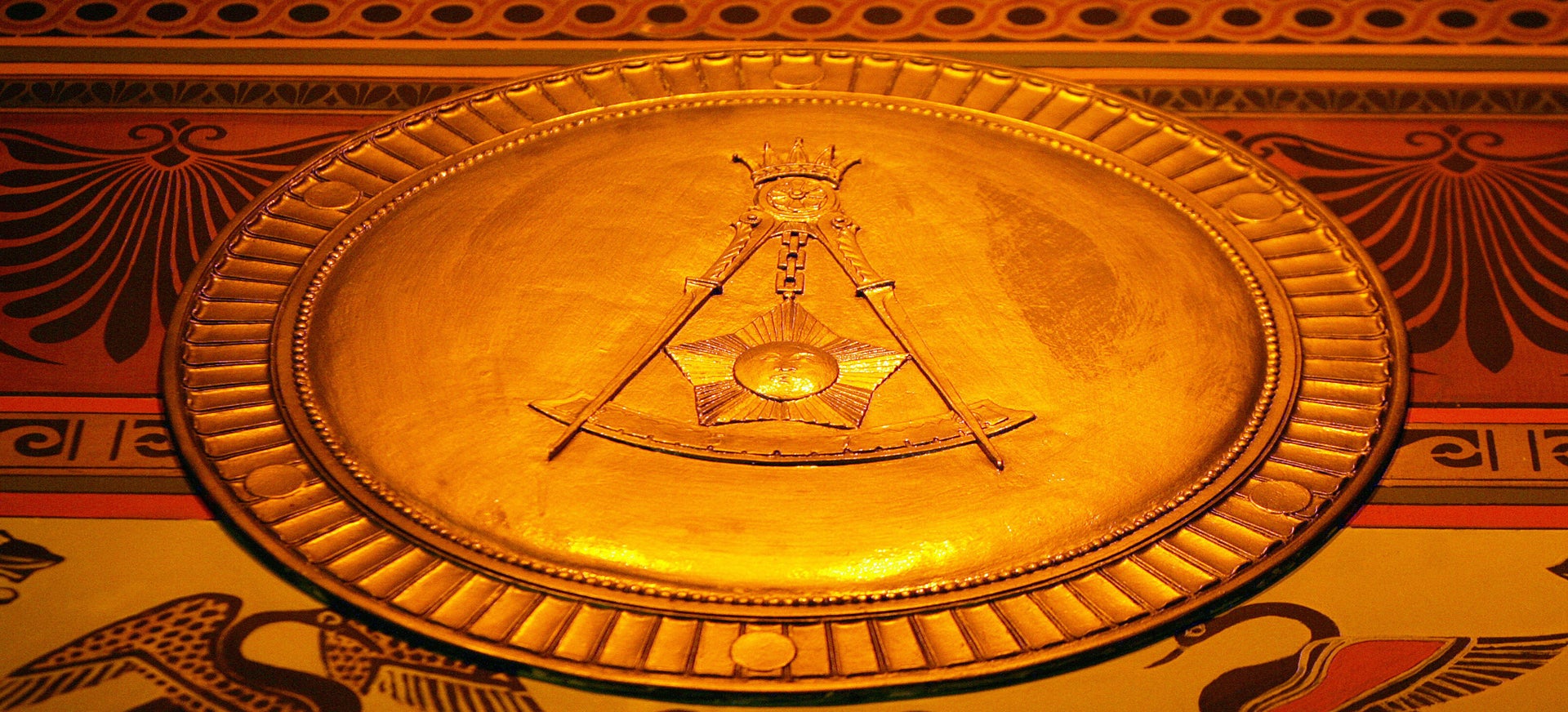
One of the most recognizable symbols associated with Freemasonry is the Square and Compasses. This emblem represents the Freemasons’ commitment to living a life of high moral standards and the organization’s role in shaping and guiding its members towards such ideals. Other significant symbols include the All-Seeing Eye, which symbolizes God’s omnipresence, and the Point Within a Circle, representing the balance between the material and spiritual worlds.

The Secrecy Surrounding Freemasonry

The secrecy surrounding Freemasonry is both a source of fascination and frustration for those seeking to understand the organization. While Freemasons claim that the secrecy is merely to protect the sanctity of their rituals and the privacy of their members, skeptics argue that it hides more nefarious purposes. The truth likely lies somewhere in between, with the secrecy serving both practical and symbolic purposes.

The Role of Rituals and Ceremonies

Freemasonry is known for its elaborate rituals and ceremonies, which are central to the organization’s initiation and advancement processes. These rituals are steeped in symbolism, designed to teach moral lessons and philosophical concepts through allegory and metaphor. The exact nature of these rituals is kept confidential, adding to the mystique of Freemasonry.

Freemasonry’s Influence and Legacy

Throughout history, Freemasonry has attracted members from all walks of life, including prominent figures in politics, the arts, and science. This has led to speculation about the organization’s influence on world events and societal developments. While direct evidence of such influence is often lacking, the presence of Freemasons in positions of power has undoubtedly shaped the organization’s legacy and the perception of its secrecy and power.

Conclusion

The cryptic world of the Freemasons, with its rich tapestry of symbols and secrets, continues to captivate the imagination. While much of Freemasonry remains hidden from public view, the organization’s commitment to moral and spiritual development is clear. As the world continues to evolve, the Freemasons’ legacy of secrecy and symbolism will undoubtedly endure, leaving future generations to ponder the mysteries of the Craft.