

My Love, Don’t Cross That River: A Poignant Ode to Enduring Love

ircicaarchdata.org – “My Love, Don’t Cross That River” (님아, 그 강을 건너지 마오, Nima, Geu Gangeul Geonneoji Maoh, literally “Dear, Do Not Cross That River”), a 2014 South Korean documentary film directed by Jin Mo-young, offers an intimate and deeply moving portrait of an elderly married couple, Jo Byeong-man and Kang Kye-yeol, who have been together for 76 years. The film is a gentle and poignant exploration of enduring love, companionship, and the acceptance of life’s natural cycles.

A Lifelong Partnership in Rural Korea

The documentary follows Jo Byeong-man and Kang Kye-yeol, who are 98 and 89 years old, respectively, as they live their daily lives in a small village in rural South Korea. They are inseparable, sharing everything from simple chores to playful moments of affection.

The film beautifully captures the intimacy and deep connection that has developed between them over their decades together. They hold hands, dress in matching traditional Korean clothing, and playfully tease each other, showcasing a bond built on years of shared experiences and unwavering love.

The Beauty of Everyday Life and Simple Joys

“My Love, Don’t Cross That River” focuses on the simple rhythms of the couple’s daily life. They tend to their garden, gather firewood, and play with their dogs. The film portrays the beauty of these ordinary moments, highlighting the joy and contentment they find in each other’s company.

The film’s cinematography is stunning, capturing the beauty of the changing seasons in the Korean countryside. The natural setting becomes a backdrop for the couple’s love story, emphasizing the cyclical nature of life and the connection between humans and nature.

Facing the Inevitability of Loss

As the film progresses, the couple faces the inevitable challenges of old age. Jo Byeong-man’s health begins to decline, and the film delicately portrays the couple’s struggle with the prospect of separation.

The title, “My Love, Don’t Cross That River,” refers to a traditional Korean folk song that symbolizes the crossing of the river of death. It reflects the couple’s fear of separation and their desire to remain together for as long as possible.

Themes of Love, Companionship, and Acceptance

“My Love, Don’t Cross That River” explores several profound themes:

  • Enduring Love and Companionship: The film offers a powerful testament to the enduring power of love and companionship. Jo Byeong-man and Kang Kye-yeol’s relationship serves as an inspiring example of a lifelong partnership built on mutual respect, affection, and unwavering support.
  • Aging and Mortality: The film sensitively portrays the realities of aging and the acceptance of mortality. It explores the challenges of declining health and the emotional impact of facing the loss of a loved one.
  • The Beauty of Simple Living: The film celebrates the beauty of simple living and the contentment that can be found in everyday moments. The couple’s connection to nature and their focus on simple pleasures offer a refreshing perspective on modern life.
  • The Cycle of Life and Nature: The film’s setting in the Korean countryside emphasizes the cyclical nature of life and the connection between humans and nature. The changing seasons become a metaphor for the passage of time and the natural progression of life and death.

A Touching and Universal Story

“My Love, Don’t Cross That River” is a deeply touching and universally relatable film that has resonated with audiences worldwide. Its gentle and intimate portrayal of enduring love and the acceptance of life’s natural cycles has made it a beloved and critically acclaimed documentary. It stands as a poignant reminder of the power of human connection and the beauty of a life shared together.

Miracle in Cell No. 7:A Heartbreaking Tale of Love & Injustice

ircicaarchdata.org – Miracle in Cell No. 7 (7번방의 선물; 7beonbang-ui Seonmul; literally “Gift from Room 7”) is a 2013 South Korean comedy-drama film directed by Lee Hwan-kyung. This film tells a deeply moving story about the bond between a mentally challenged father and his young daughter, set against the backdrop of a harsh prison environment. It’s a film that evokes a wide range of emotions, from laughter and joy to sadness and heartbreak.

A Father’s Unconditional Love: Lee Yong-gu and Ye-seung

The story centers around Lee Yong-gu (Ryu Seung-ryong), a man with the intellectual capacity of a six-year-old. He lives with his beloved young daughter, Ye-seung (Kal So-won as a child, Park Shin-hye as an adult), and they share a deep and loving bond. Their simple life takes a devastating turn when Yong-gu is wrongly accused of kidnapping and murdering a young girl.

Imprisoned and Misunderstood: Life in Cell No. 7

Yong-gu is imprisoned in Cell No. 7, a maximum-security cell inhabited by hardened criminals. Despite his intellectual limitations, Yong-gu’s kind and innocent nature gradually wins over his fellow inmates. They recognize his innocence and become determined to help him reunite with his daughter.

An Unlikely Family: The Inmates’ Efforts to Reunite Father and Daughter

The film’s heartwarming core lies in the unlikely bond that forms between Yong-gu and his fellow inmates. They devise a plan to smuggle Ye-seung into the prison cell, creating a makeshift family within the confines of the prison. These scenes are filled with both comedic and touching moments, showcasing the inmates’ genuine affection for Yong-gu and Ye-seung.

A Story of Injustice and Heartbreak

While Miracle in Cell No. 7 has its lighthearted and comedic moments, it also tackles serious themes of injustice and the flaws within the legal system. Yong-gu’s wrongful conviction highlights the vulnerability of those who are unable to defend themselves effectively. The film’s second half takes a more dramatic turn as Yong-gu’s trial unfolds, leading to a heartbreaking conclusion.

Powerful Performances That Evoke Strong Emotions

The performances in Miracle in Cell No. 7 are outstanding and contribute significantly to the film’s emotional impact. Ryu Seung-ryong delivers a powerful and nuanced performance as Yong-gu, capturing his innocence, vulnerability, and unwavering love for his daughter. Kal So-won and Park Shin-hye also give excellent performances as Ye-seung, portraying her strength and resilience.

A Beloved and Enduring Film

Miracle in Cell No. 7 was a massive commercial and critical success in South Korea, becoming one of the highest-grossing Korean films of all time. Its heartwarming story, strong performances, and exploration of universal themes of love, family, and injustice resonated with audiences worldwide. It remains a beloved and enduring film that continues to touch the hearts of viewers.

Privilege: A Disturbing Vision of Pop Culture & Control

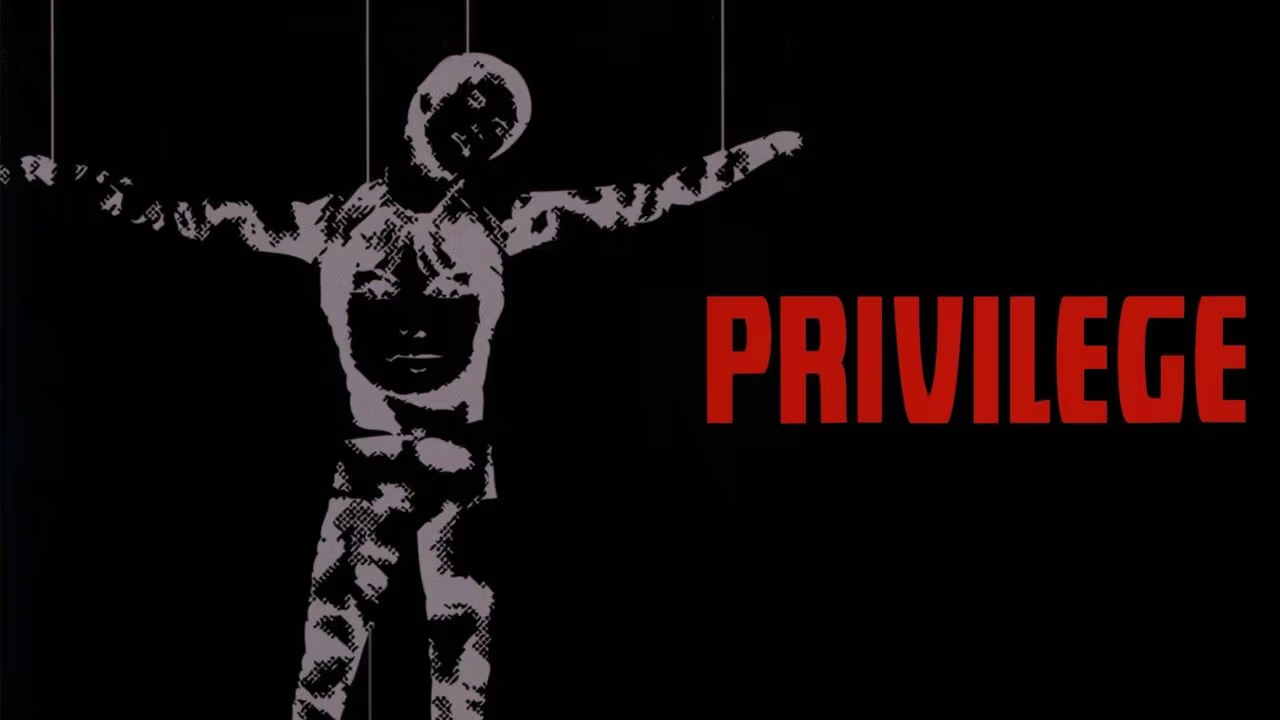
ircicaarchdata.org – Privilege (1967) is a British science fiction film that offers a dark and disturbing vision of the future, where a pop star is manipulated and controlled by a shadowy organization. Directed by Peter Watkins and starring Paul Jones and Jean Shrimpton, the film is a thought-provoking exploration of the power of celebrity, mass hysteria, and government control.   

A Puppet Master’s Game

The film centers around Steven Shorter, a popular singer who is idolized by millions of fans. However, Shorter is not a free agent; he is a pawn in a larger game, manipulated by a secretive organization that seeks to use his influence to control the masses. As Shorter’s fame grows, so does his isolation, and he begins to question the nature of his existence.   

A Critique of Mass Culture

Privilege is a scathing critique of mass culture and the way in which popular culture can be used to manipulate and control people. The film’s portrayal of a society obsessed with celebrity and devoid of critical thinking is both prescient and disturbing. The film’s message is clear: the power of popular culture can be a dangerous tool in the hands of those who seek to control the masses.   

A Stylistic Experiment

Privilege is a visually striking film, with its bold use of color and experimental editing techniques. The film’s surreal and dreamlike atmosphere is further enhanced by its haunting soundtrack. Watkins’s innovative approach to filmmaking challenges conventional narrative structures and expectations.   

A Forgotten Gem

Despite its groundbreaking nature, Privilege was not a commercial success upon its initial release. However, it has since gained a cult following and is now recognized as a visionary work of cinema. The film’s themes of control, manipulation, and the dehumanizing effects of mass culture continue to resonate with audiences today.

Conclusion

Privilege is a thought-provoking and disturbing film that offers a unique perspective on the power of celebrity and the dangers of mass culture. Its innovative style and challenging themes make it a must-watch for fans of science fiction, dystopian cinema, and experimental filmmaking.

The Two Faces of Fear: A Giallo Gem – Tale of Lust and Betrayal

ircicaarchdata.org – Released in 1972, The Two Faces of Fear (also known as I Due Volti della Paura) is a stylish and suspenseful Italian giallo film directed by Tulio Demicheli. This atmospheric thriller is renowned for its striking visuals, complex plot, and its exploration of themes of sex, violence, and moral decay.   

A Deadly Game of Cat and Mouse

The film follows the story of a renowned surgeon, Miguel Azzini, who becomes embroiled in a dangerous web of deceit and murder. His wife, Elena, becomes infatuated with his young assistant, leading to a series of events that spiral out of control. When Miguel is found dead, suspicion falls on several individuals, each with their own dark secrets and motives.   

A Giallo Masterpiece

The Two Faces of Fear is a classic example of the giallo genre, characterized by its stylish visuals, complex plot, and its focus on suspense and mystery. The film’s striking color palette, atmospheric score, and frequent use of shocking violence contribute to its unique and disturbing atmosphere.

The film’s cast includes a number of notable actors, including George Hilton as the enigmatic Miguel Azzini, Fernando Rey as the cunning Inspector Nardi, and Luciana Paluzzi as the seductive Elena.   

A Timeless Thriller

The Two Faces of Fear is a timeless thriller that continues to captivate audiences with its stylish direction, complex plot, and unforgettable characters. Its exploration of themes of morality, corruption, and the destructive power of desire remains relevant today.

If you’re a fan of giallo films and suspenseful thrillers, The Two Faces of Fear is a must-watch. Its stylish visuals, complex plot, and unforgettable characters make it a true masterpiece of Italian cinema.

Pictures of Ghosts: A Nostalgic Journey Through Time

ircicaarchdata.org Pictures of Ghosts (2023) is a captivating documentary film directed by acclaimed Brazilian filmmaker Kleber Mendonça Filho. This deeply personal and introspective film takes viewers on a nostalgic journey through the filmmaker’s hometown, Recife.   

A Personal Reflection

The film is a unique blend of autobiography, documentary, and cinematic essay. Mendonça Filho delves into his personal history, exploring his childhood memories, family life, and the profound impact of cinema on his life. By weaving together archival footage, home videos, and newly shot material, he creates a rich tapestry of images and sounds that evoke a sense of nostalgia and longing.   

A City in Transformation

A central theme of the film is the transformation of Recife over time. Mendonça Filho reflects on the city’s changing landscape, the loss of old buildings, and the impact of modernization on the city’s cultural identity. The film pays homage to the city’s cinematic history, referencing classic films and iconic movie theaters.   

A Love Letter to Cinema

“Pictures of Ghosts” is also a love letter to cinema itself. Mendonça Filho explores the power of film to capture moments in time, preserve memories, and evoke emotions. The film is filled with references to classic films, directors, and cinematic techniques, demonstrating the filmmaker’s deep appreciation for the art form.

A Haunting and Melancholic Beauty

The film’s melancholic tone is perfectly captured by its stunning cinematography. The images are often framed with a sense of longing and nostalgia, highlighting the passage of time and the impermanence of things. The film’s soundtrack, featuring a haunting score by Marcello Fróes, further enhances the emotional impact of the film.

A Masterful Blend of Personal and Cinematic

“Pictures of Ghosts” is a masterful blend of personal and cinematic. It is a deeply moving and thought-provoking film that invites viewers to reflect on their own memories and experiences. The film’s unique blend of documentary, autobiography, and cinematic essay makes it a truly original and unforgettable cinematic experience.

McCabe & Mrs. Miller: A Gritty Western Romance

ircicaarchdata.org McCabe & Mrs. Miller is a 1971 American Western film directed by Robert Altman, starring Warren Beatty as John McCabe and Julie Christie as Constance Miller. The film is a unique and unconventional take on the Western genre, blending elements of drama, comedy, and satire.

A Gritty and Realistic Portrayal of the Old West

Set in the late 19th century, the film follows the story of John McCabe, a small-time gambler who arrives in the remote mining town of Presbyterian Church. He quickly establishes himself as the town’s dominant figure, but his plans are disrupted by the arrival of Constance Miller, a mysterious and enigmatic woman who opens a brothel.

McCabe & Mrs. Miller is a departure from traditional Westerns, eschewing heroic figures and romanticized landscapes in favor of a more realistic and gritty portrayal of the Old West. The film’s characters are flawed and morally ambiguous, and the setting is often bleak and unforgiving.

A Unique Blend of Genres

The film blends elements of Western, drama, and comedy, creating a unique and unconventional cinematic experience. Altman’s distinctive style, characterized by long takes, overlapping dialogue, and a focus on character rather than plot, adds to the film’s unconventional nature.

The film’s score, composed by Leonard Cohen, is a haunting and melancholic blend of folk, blues, and jazz, perfectly capturing the film’s mood and atmosphere. Cohen’s songs, such as “The Stranger Song” and “Winter Lady,” have become iconic and have contributed to the film’s enduring legacy.

A Timeless Exploration of Greed and Power

McCabe & Mrs. Miller is a timeless exploration of greed, power, and the American Dream. The film’s characters are driven by their own self-interest, and their pursuit of wealth and status leads to tragic consequences.

The film’s themes of corruption, exploitation, and the decline of the Old West continue to resonate with audiences today. McCabe & Mrs. Miller is a masterpiece of American cinema, a film that challenges conventional expectations and offers a unique and unforgettable cinematic experience.

Stigma: A Dark and Mysterious Thriller

ircicaarchdata.org – Stigma (1980) is a Spanish horror film directed by José Ramón Larraz, known for his stylish and atmospheric horror films. The film, set in a remote and isolated monastery, delves into themes of possession, obsession, and the supernatural.   

Alexandra Bastedo’s Enigmatic Performance

Alexandra Bastedo, the iconic actress known for her roles in The Champions and The Blood Spattered Bride, delivers a captivating performance as Anna, a mysterious woman who arrives at the monastery seeking refuge. Her character is both alluring and enigmatic, adding a layer of intrigue to the film.

A Haunting Atmosphere and Disturbing Imagery

Stigma is a visually striking film, with its dark and atmospheric cinematography creating a sense of dread and foreboding. The film’s haunting score and disturbing imagery further enhance its eerie atmosphere.

A Psychological Exploration of Faith and Madness

The film delves into the psychological depths of its characters, exploring themes of faith, madness, and the power of suggestion. The monastery setting provides the perfect backdrop for a tale of religious fanaticism and supernatural horror.

A Cult Classic

Stigma has achieved cult status among horror fans, thanks to its unique blend of Gothic horror, psychological thriller, and supernatural elements. The film’s striking visuals, memorable performances, and disturbing themes have ensured its enduring popularity.

While Stigma may not be as well-known as some of Larraz’s other films, it remains a hidden gem for fans of the genre. Its haunting atmosphere, intriguing characters, and disturbing plot make it a must-watch for anyone who appreciates a good horror film.

Introduction to “Malila: The Farewell Flower” (2017)

ircicaarchdata.org – “Malila: The Farewell Flower” is a 2017 Thai drama film directed by Anucha Boonyawatana. This beautifully crafted film weaves together themes of love, loss, and spirituality through a poignant tale of two former lovers reunited amidst the lush landscapes of rural Thailand. It is celebrated for its lyrical storytelling and contemplative exploration of life and mortality.

Plot Overview

The film follows the story of Shane and Pitch, former lovers who are brought back together when Shane returns to his rural home to care for his ailing father. Pitch, who is suffering from terminal cancer, spends his days creating intricate bai sri (traditional Thai floral arrangements). As they reconnect, the two men revisit their past relationship and grapple with their present circumstances, finding solace and meaning in each other’s company. The story unfolds with a deep sense of introspection, highlighting the transient nature of life and love.

Themes and Analysis

Love and Reconciliation

One of the central themes of “Malila: The Farewell Flower” is the power of love and reconciliation. The film explores the enduring bond between Shane and Pitch as they navigate their shared history and future uncertainties. Their journey emphasizes forgiveness and acceptance, offering a profound meditation on the healing power of love.

Spirituality and Mortality

The film delves into themes of spirituality and mortality, using the Buddhist practice of bai sri as a metaphor for the cycle of life and death. Through Pitch’s delicate floral creations, the film reflects on the impermanence of existence and the search for peace and understanding in the face of mortality.

Cinematic Techniques

Visual Poetry

Director Anucha Boonyawatana employs visual poetry to convey the film’s emotional and spiritual depth. The use of natural landscapes, combined with meticulous attention to detail in the floral arrangements, creates a serene and contemplative atmosphere that enhances the narrative.

Intimate Storytelling

The film’s intimate storytelling is brought to life through nuanced performances by the lead actors, Sukollawat Kanarot and Anuchit Sapanpong. Their portrayal of Shane and Pitch captures the complexity of their emotions and the subtle dynamics of their relationship, drawing the audience into their personal journey.

Conclusion

“Malila: The Farewell Flower” (2017) is a hauntingly beautiful film that offers a thoughtful exploration of love, loss, and the search for meaning. Its rich thematic content and exquisite cinematography make it a standout piece in contemporary Thai cinema. The film invites viewers to reflect on the ephemeral nature of life and the enduring connections that define our existence.

Cek Toko Sebelah: A Heartwarming Comedy with Cultural Insights

ircicaarchdata.org – “Cek Toko Sebelah,” a 2016 Indonesian comedy film directed by Ernest Prakasa, offers a delightful blend of humor and heartfelt storytelling. The film, which translates to “Check the Store Next Door,” has resonated with audiences for its relatable characters and insightful commentary on family dynamics and cultural expectations. With a strong cast and clever writing, it stands out as a memorable entry in Indonesian cinema.

Plot Summary

The story revolves around Erwin (played by Ernest Prakasa), a successful young professional who is suddenly faced with a life-changing decision. His father, Koh Afuk (Chew Kin Wah), owns a family-run convenience store and wishes for Erwin to take over the business as he approaches retirement. However, Erwin’s aspirations lie elsewhere, causing tension between him and his father. Meanwhile, Erwin’s older brother, Yohan (Dion Wiyoko), feels overlooked and struggles with his own issues. The film follows Erwin as he navigates familial expectations, personal dreams, and the challenges of upholding family traditions.

Themes and Style

“Cek Toko Sebelah” explores themes of family responsibility, cultural identity, and the generational clash between traditional values and modern ambitions. The film uses humor to address these themes, offering a comedic yet meaningful look at the complexities of family life. Prakasa’s direction is characterized by its witty dialogue and well-timed comedic moments, balanced with emotional depth.

Cultural Context

Set in an Indonesian-Chinese family, the film provides insight into the cultural nuances and expectations within this community. It highlights the importance of family businesses and the pressures faced by younger generations to preserve family legacies. Through its authentic portrayal of cultural traditions and family dynamics, “Cek Toko Sebelah” resonates with audiences who have experienced similar situations, making it both entertaining and thought-provoking.

Performances and Reception

The film features strong performances from its cast, with Ernest Prakasa and Chew Kin Wah delivering standout roles that capture the emotional core of the story. The chemistry between the cast members enhances the film’s authenticity and relatability. “Cek Toko Sebelah” was well-received by critics and audiences alike, praised for its humor, heart, and cultural relevance. It became a box office success in Indonesia, solidifying Prakasa’s reputation as a talented filmmaker.

Conclusion

In conclusion, “Cek Toko Sebelah” is a charming and insightful comedy that offers a fresh perspective on family and cultural identity. With its engaging narrative and humorous approach, the film appeals to a wide audience, making it a must-watch for those interested in stories that blend humor with meaningful reflections on life. “Cek Toko Sebelah” not only entertains but also invites viewers to reflect on their own family relationships and cultural values.

Still Walking (2008): A Poignant Exploration of Family & Memory

ircicaarchdata.org – “Still Walking” (歩いても 歩いても, Aruitemo aruitemo), directed by Hirokazu Kore-eda and released in 2008, is a critically acclaimed Japanese film that offers a delicate and insightful look into the complexities of family relationships. The film stands out for its naturalistic portrayal of a family gathering, where subtle tensions and profound bonds are explored over the course of a single day.

Plot Overview

The film takes place during a 24-hour period as the Yokoyama family convenes to commemorate the anniversary of the eldest son’s death. The narrative primarily focuses on Ryota, the surviving son, who returns home with his new family while grappling with feelings of inadequacy and unresolved issues with his parents. Throughout the day, the family engages in routine activities, and through these interactions, the film unveils the unspoken resentments, regrets, and moments of tenderness that define their relationships.

Themes and Cinematic Style

“Still Walking” is characterized by its exploration of themes such as loss, memory, and the passage of time. Kore-eda employs a subtle storytelling approach, using everyday conversations and domestic settings to reveal the emotional undercurrents within the family. The film is noted for its realistic dialogue and the ability to capture the nuances of family dynamics. The cinematography, marked by its attention to detail and composition, enhances the film’s introspective mood, allowing viewers to immerse themselves in the intimate world of the Yokoyama household.

Reception and Legacy

Upon its release, “Still Walking” received widespread acclaim for its authentic depiction of family life and its emotional depth. Critics praised Kore-eda’s direction and the performances of the cast, particularly the nuanced portrayals of the family members. The film has been described as a modern classic in Japanese cinema, highlighting Kore-eda’s mastery in crafting stories that resonate on a deeply human level.

Conclusion

“Still Walking” remains a significant work in Hirokazu Kore-eda’s filmography, offering a thoughtful meditation on the complexities of familial bonds. Through its gentle yet profound narrative, the film invites audiences to reflect on their own family experiences, making it a timeless piece that continues to touch the hearts of viewers worldwide.

Sivas: A Raw and Heartfelt Exploration of Childhood & Survival

ircicaarchdata.org – “Sivas” is a 2014 Turkish drama film directed by Kaan Müjdeci, which has garnered international acclaim for its poignant portrayal of a young boy’s journey through the harsh realities of rural life. Set against the rugged backdrop of central Anatolia, the film tells the story of an eleven-year-old boy and his unlikely bond with a fighting dog. Through its raw narrative and striking visuals, “Sivas” delves into themes of innocence, survival, and the complexities of growing up in a challenging environment.

Plot Overview

The film centers around Aslan, a young boy living in a small Anatolian village. Struggling with feelings of inadequacy and a deep longing for acceptance, Aslan’s life takes a turn when he discovers an injured Kangal dog named Sivas, abandoned after a ferocious dogfight. Aslan decides to take care of Sivas, and an intense bond forms between the two as they navigate the trials and tribulations of their surroundings.

As Aslan and Sivas grow closer, their relationship becomes a source of strength and companionship for the boy. However, the societal pressures and harsh realities of rural life soon challenge their bond, forcing Aslan to face difficult decisions about loyalty, identity, and the harshness of the world he inhabits.

Themes and Atmosphere

“Sivas” provides a raw and unflinching look at boyhood and the struggle for identity amidst poverty and violence. The film explores themes of masculinity, power, and the loss of innocence, portraying the complexities of growing up in a world marked by harsh realities. Its minimalist approach and atmospheric storytelling draw viewers into the stark and unforgiving landscape of rural Anatolia.

Cinematic Style

Kaan Müjdeci’s direction is noted for its authenticity and attention to detail. The film’s cinematography captures the austere beauty of the Anatolian landscape, juxtaposing the vast, open plains with the intimate struggles of its characters. By using non-professional actors, Müjdeci enhances the film’s realism, providing a raw and unfiltered portrayal of life in the village.

Characters and Performances

Doğan İzci delivers a standout performance as Aslan, portraying the young boy’s internal struggles with depth and sensitivity. His depiction of Aslan’s journey through a world filled with challenges is both powerful and moving. The bond between Aslan and Sivas is portrayed with genuine emotion, highlighting the mutual understanding and reliance between the two, which becomes a central theme of the film.

Critical Reception

“Sivas” was met with critical acclaim for its powerful storytelling and authentic depiction of rural life. It won the Special Jury Prize at the 2014 Venice Film Festival and has been praised for its exploration of complex themes and its ability to convey deep emotional truths through a straightforward narrative. Critics have lauded the film for its capacity to resonate with viewers, offering a haunting reflection on the human condition.

Conclusion

“Sivas” is a masterful exploration of childhood and the struggle for survival in an unforgiving world. Through its poignant narrative and compelling characters, the film invites audiences to reflect on themes of loyalty, identity, and the universal desire for connection. Kaan Müjdeci’s debut film stands as a powerful testament to the resilience of the human spirit and the enduring bond between a boy and his dog.

The Wandering Earth (2019): A Pioneering Sci-Fi Adventure

ircicaarchdata.org – “The Wandering Earth” is a groundbreaking 2019 Chinese science fiction film directed by Frant Gwo. Based on the novella by renowned science fiction writer Liu Cixin, the film has been hailed as a milestone in Chinese cinema, marking the country’s ambitious foray into the sci-fi genre. It presents a thrilling narrative that explores themes of survival, unity, and human ingenuity on a cosmic scale.

Plot Overview

Set in the near future, “The Wandering Earth” envisions a scenario where the sun is rapidly expanding, threatening to engulf the Earth. In response, humanity embarks on an audacious plan to save the planet by installing thousands of massive thrusters to propel Earth out of the solar system. The film follows the journey as the planet approaches Jupiter, where a miscalculation puts Earth in grave danger. A group of scientists and engineers, including the protagonist Liu Qi, race against time to avert disaster and ensure the survival of humanity.

Themes and Symbolism

At its core, “The Wandering Earth” is a story of collective human effort and resilience in the face of existential threats. The film emphasizes themes of sacrifice, cooperation, and hope, portraying humanity as a united force capable of overcoming insurmountable odds. The journey of Earth through space serves as a metaphor for the tenacity and adaptability of the human spirit.

Cinematic Style

The film is notable for its impressive visual effects and large-scale production, bringing to life the grandeur and peril of space travel. Director Frant Gwo combines state-of-the-art CGI with a compelling narrative to create a visually stunning and emotionally resonant experience. The film’s meticulous attention to detail in its depiction of futuristic technology and environments sets a new standard for Chinese sci-fi cinema.

Critical Reception

“The Wandering Earth” received widespread acclaim for its ambitious storytelling and technical achievements. It was praised for its ability to blend spectacular visuals with a meaningful narrative, earning positive reviews both domestically and internationally. The film’s success has been seen as a significant step forward for China’s film industry, garnering attention for its cultural and cinematic impact.

Conclusion

“The Wandering Earth” stands out as a monumental achievement in science fiction filmmaking, showcasing China’s potential in the global film landscape. Through its imaginative plot and breathtaking visuals, the film offers a powerful message about unity and perseverance. It continues to inspire audiences worldwide and paves the way for future explorations of sci-fi themes in Chinese cinema.

Unpacking the Layers of “Parasite”

ircicaarchdata.org – Released in 2019, “Parasite” is a South Korean film directed by Bong Joon-ho. The movie gained international acclaim for its brilliant storytelling, social commentary, and genre-defying narrative. It made history by becoming the first non-English language film to win the Academy Award for Best Picture, among other accolades.

Plot Overview

The Kim Family’s Struggle

“Parasite” begins by introducing the Kim family, who live in a cramped basement apartment and struggle to make ends meet. The family consists of father Ki-taek, mother Chung-sook, daughter Ki-jung, and son Ki-woo. Their fortunes change when Ki-woo is given an opportunity to tutor the daughter of the wealthy Park family.

Infiltrating the Park Household

As Ki-woo integrates into the Park family, the Kims devise a plan to secure employment for each family member within the Park household, under false pretenses. This infiltration sets off a series of events that reveal the stark contrasts between the lives of the rich and the poor.

Characters

Kim Ki-taek

Ki-taek, the father, is a resourceful yet struggling figure who embodies the desperation and cunning that the Kims employ to survive. His journey through the film highlights the underlying tensions of class disparity.

Park Dong-ik

Dong-ik is the affluent and oblivious patriarch of the Park family. His interactions with the Kim family reveal the implicit biases and disconnect that often accompany wealth and privilege.

Kim Ki-jung and Kim Ki-woo

The Kim siblings are clever and opportunistic, using their skills to ingratiate themselves with the Park family. Their actions drive much of the film’s plot and underscore the lengths to which people will go to escape poverty.

Themes

Social Inequality and Class Conflict

“Parasite” is a poignant critique of social inequality and class conflict. The film illustrates the vast divide between the wealthy Park family and the impoverished Kims, using their interactions to expose the systemic issues that perpetuate these disparities.

The Illusion of the American Dream

The film challenges the notion of upward mobility, suggesting that the pursuit of a better life is often fraught with obstacles and deception. The Kims’ attempts to climb the social ladder are met with unforeseen consequences, reflecting the harsh realities of economic stratification.

The Duality of Human Nature

Through its complex characters, “Parasite” explores the duality of human nature—how desperation can lead to both ingenuity and moral compromise. The film’s title itself suggests the parasitic relationships that people form to survive, regardless of ethical considerations.

Cinematic Techniques

Visual Storytelling and Symbolism

Director Bong Joon-ho employs meticulous visual storytelling, using space and architecture to symbolize social divisions. The contrasting settings—the Kims’ cramped basement and the Parks’ luxurious home—visually represent the class divide.

Music and Sound Design

The film’s score, composed by Jung Jae-il, enhances its atmospheric tension and emotional depth. The use of sound design further accentuates the film’s themes, with auditory cues often foreshadowing key plot developments.

Conclusion

“Parasite” is a masterful exploration of social themes wrapped in a gripping narrative. Its ability to blend humor, drama, and suspense with a sharp social critique has resonated with audiences worldwide, cementing its status as a modern classic. The film’s enduring impact lies in its unflinching portrayal of inequality and the human condition, challenging viewers to reflect on their own perceptions of class and society.

The Story of “Badhaai Ho”: Breaking Taboos with Humor

ircicaarchdata.org – Released in 2018, “Badhaai Ho” is a unique Bollywood comedy-drama that tackles unconventional themes with humor and sensitivity. Directed by Amit Ravindernath Sharma, the film explores the dynamics of a middle-class family in India when unexpected news turns their world upside down. Its refreshing take on societal norms and family relationships resonated with audiences, making it a critical and commercial success.

Plot Summary

“Badhaai Ho” centers around the Kaushik family, living a typical middle-class life in Delhi. The story takes a humorous turn when the family’s matriarch, Priyamvada Kaushik, discovers she is pregnant, much to the surprise of her adult sons Nakul and Gullar, as well as the rest of the family. This unexpected pregnancy becomes the focal point of the narrative, leading to comedic situations and heartfelt moments as the family grapples with societal judgment and personal acceptance.

Themes and Symbolism

The film delves into themes of age, societal expectations, and the complexities of familial love. It challenges the stigma associated with late pregnancies and the preconceived notions about parenthood. Through its witty dialogues and relatable characters, “Badhaai Ho” emphasizes the importance of embracing life’s surprises and the unconditional support of family. The film uses humor as a tool to address serious issues, encouraging audiences to question stereotypes and traditional beliefs.

Cultural Impact and Reception

“Badhaai Ho” was widely praised for its fresh storyline, engaging screenplay, and strong performances. Ayushmann Khurrana, who played the role of Nakul, delivered a nuanced performance, while Neena Gupta and Gajraj Rao, portraying Nakul’s parents, received accolades for their authentic and endearing portrayals. The film’s success highlighted the audience’s appetite for content-driven cinema and sparked conversations about age, love, and family in Indian society. It also won several awards, including the National Film Award for Best Popular Film Providing Wholesome Entertainment.

Conclusion

“Badhaai Ho” stands out as a film that combines humor with a thought-provoking narrative, challenging societal norms while celebrating the essence of family. Its ability to entertain and inspire reflection makes it a memorable entry in contemporary Indian cinema. By addressing taboos with grace and wit, the film continues to resonate with audiences, leaving a lasting impact on the genre.

Crazy, Stupid, Love: A Fresh Take on Romantic Comedy

ircicaarchdata.org – Released in 2011, “Crazy, Stupid, Love” is a romantic comedy directed by Glenn Ficarra and John Requa, with a screenplay by Dan Fogelman. The film stars Steve Carell, Ryan Gosling, Julianne Moore, and Emma Stone, and skillfully blends humor with heartfelt moments, offering a fresh perspective on love and relationships.

Plot Overview

The film centers on Cal Weaver, a middle-aged man whose life is turned upside down when his wife, Emily, asks for a divorce. Devastated, Cal finds himself back in the dating scene with the help of Jacob Palmer, a suave young womanizer who takes Cal under his wing. As Cal learns to navigate single life, the film explores various interconnected love stories, each offering unique insights into the complexities of romance.

Key Themes

  1. Rediscovery and Personal Growth: Cal’s journey is one of self-discovery and growth, as he learns to regain his confidence and redefine his identity outside of his marriage.
  2. Love in Various Forms: The film portrays love in its many forms, from young love and marital struggles to unexpected connections, highlighting the unpredictable nature of relationships.
  3. The Importance of Family and Forgiveness: At its core, “Crazy, Stupid, Love” emphasizes the significance of family and the power of forgiveness, as characters grapple with their past mistakes and seek reconciliation.

Notable Characters

  • Cal Weaver (Steve Carell): A relatable protagonist who embodies the challenges of starting over in middle age with humor and vulnerability.
  • Jacob Palmer (Ryan Gosling): A charismatic mentor whose own love story with Hannah (Emma Stone) reveals unexpected depth and sincerity.
  • Emily Weaver (Julianne Moore): Cal’s estranged wife, whose journey of self-reflection adds complexity to the narrative.

Iconic Scenes

  • The Bar Makeover: Jacob’s transformation of Cal at the bar is both comedic and poignant, setting the stage for Cal’s reentry into the dating world.
  • The Backyard Confrontation: A climactic scene where various storylines collide, offering both humor and resolution.

Reception and Impact

“Crazy, Stupid, Love” was praised for its smart writing and strong performances, particularly the chemistry between Carell and Gosling. It became a box office success and is often celebrated as one of the standout romantic comedies of its time.

Conclusion

With its blend of humor, heart, and a stellar ensemble cast, “Crazy, Stupid, Love” remains a beloved film that resonates with audiences. Its exploration of love’s complexities and the importance of personal growth ensure its place as a modern classic in the romantic comedy genre.